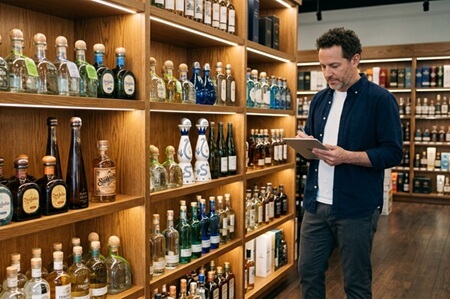
Keeping tequila on the shelf sounds simple until demand starts to shift. What sells one week can slow the next, and running out at the wrong time can cost more than just a single sale. This blog breaks down a practical approach to liquor store inventory management, from forecasting demand to setting reorder points and safety stock. The goal is to help you stay stocked, reduce waste, and keep your best bottles moving consistently.
Tequila Inventory Management: Forecast, Reorder, and Prevent Stockouts
A customer walks into your store looking for a specific bottle. They scan the shelves, don’t see it, and ask your staff. You just sold the last one.
A recommendation is made. The sale still happens. On the surface, it feels like no big deal.
But something’s lost in that moment.
Stockouts don’t just cost a single sale. They break buying habits. The next time that customer shops, they may go somewhere they trust to have what they’re looking for. Over time, that shift adds up.
On the other hand, over-ordering creates its own problems. Cash gets tied up in slow-moving inventory. Shelf space fills with bottles that don’t turn. Carrying a product only works if it actually moves.
Too often, these decisions are based on instinct instead of a system.
That’s where a more structured approach comes in. With a clear plan for liquor store inventory management—forecasting demand, setting reorder points, and staying ahead of stockouts—you can keep shelves consistent, reduce waste, and make sure your best bottles are always within reach.
Why Is Tequila Inventory So Hard to Manage?
Like most spirits, tequila doesn’t always sell at a steady pace.
One week, a few key bottles are moving consistently. The next, a warm weekend, a holiday, or even a recommendation from a friend can drive a sudden spike. Then it levels off again. That kind of variability makes it harder to know exactly how much to keep on the shelf.
A few factors drive that unpredictability:
- Seasonality plays a big role, with spring and summer bringing higher demand and holidays creating short-term surges
- Trends shift quickly, especially as more customers explore premium tequilas or try new cocktail styles at home
- Customer preference isn’t static — what people come in asking for can change week to week
It’s not just about how much you sell. It’s about when it sells and which bottles move.
- The same tequila can turn quickly one month and sit the next
- Promotions, displays, or local events can shift demand almost overnight
- Premium bottles move slower, but carry higher value when they do sell
Without a system in place, inventory starts to feel inconsistent. With the right structure, it becomes something you can plan around instead of react to.
How Do You Forecast Tequila Demand Without Guessing?
Forecasting doesn’t have to be complicated. Most of what you need is already in your sales data.
Instead of trying to predict what might happen, start with what has been happening.
- Look at the last 4–8 weeks of sales for each tequila
- Identify your top movers vs slow movers
- Factor in upcoming events, holidays, or seasonal shifts
- Adjust for anything that might change demand, like a promotion or in-store display
From there, a simple baseline goes a long way:
- Weekly sales average = your starting forecast
If a tequila is selling 10–12 bottles a week, it’s reasonable to expect similar demand unless something changes. The goal isn’t perfect precision; it’s having a reliable starting point you can adjust over time.
When you build forecasting around real sales patterns, inventory decisions become a lot more consistent. And when your staff can confidently recommend the right bottles, upselling tequila becomes natural — which drives the sales data you need for better forecasting.
And that’s the foundation of effective liquor store inventory management — knowing what’s likely to move before you need to reorder it.
What Is a Reorder Point (and How Do You Set One)?
A reorder point is simply the moment you place your next order so you don’t run out of a product on the shelf.
Instead of waiting until a bottle is gone, you’re ordering ahead of time based on how fast it sells and how long it takes to get more in.
At a basic level, it comes down to this:
Reorder Point = Demand during lead time + safety stock
Here’s what that means in real terms:
- Lead time: how long it takes for your distributor to deliver
- Demand: how quickly that tequila sells each week
- Safety stock: a small buffer to protect against unexpected spikes
For example:
- You sell 10 bottles per week
- Your delivery takes 1 week
- You keep 5 bottles as backup
→ You should reorder when inventory hits 15 bottles
The goal is simple: don’t wait until you’re out. Reorder before it becomes a problem.
When you set the right reorder point for spirits, you keep shelves stocked with what customers expect, without tying up cash in excess inventory.
How Much Safety Stock Do You Actually Need?
Safety stock is your buffer. It’s what keeps you from running out when something doesn’t go exactly as planned.
Sales aren’t perfectly consistent. Deliveries can get delayed. A busy weekend can clear out more inventory than expected. Safety stock is what protects you from those moments.
How much you need depends on a few factors:
- Sales variability: If a tequila’s sales fluctuate week to week, you’ll need a larger buffer
- Delivery reliability: If shipments are consistent, you can keep it tighter. If not, give yourself more room
- Product importance: Core, high-demand bottles deserve more protection than occasional sellers
A simple way to think about it:
- Fast movers → carry more safety stock
- Premium bottles → carry less, but don’t leave them exposed
- Inconsistent deliveries → increase your buffer
Safety stock isn’t extra inventory sitting around. It’s protection against missed sales and empty shelves when customers are ready to buy.
How Does Seasonality Change Tequila Inventory?
Tequila doesn’t move the same way year-round.
As the weather changes, so do buying habits. What customers reach for in July isn’t always what they’re looking for in December, and that shift shows up clearly in your inventory.
In most markets, it follows a predictable pattern:
- Spring and summer bring higher demand for Blanco, driven by margaritas, Palomas, and lighter, citrus-forward drinks. Learn how to boost bar sales with seasonal tequila cocktails that align with these predictable shifts in customer preferences.
- Fall and winter tend to shift toward Reposado and Añejo, with customers looking for something smoother and better suited for sipping
The key isn’t just ordering more. It’s adjusting what you carry.
- Increase orders ahead of known busy periods
- Shift your mix to match seasonal preferences, not just overall volume
- Pay attention to local events, holidays, and weather patterns that can drive short-term spikes
Seasonality only feels unpredictable when you’re reacting to it. With a little planning, it becomes something you can stay ahead of.
And that’s how you prevent out of stock liquor when demand is at its highest.
The Tequila Inventory Checklist for Operators
Inventory doesn’t need to be complicated to work well. Most of the time, it comes down to having a simple system and sticking to it.
If you’re not sure where to start, this is a reliable baseline:
Tequila Inventory Management Checklist
✔ Track weekly sales trends
✔ Forecast based on real data
✔ Set reorder points for key SKUs
✔ Maintain safety stock on top sellers
✔ Adjust inventory for seasonality
✔ Review inventory every 2–4 weeks
✔ Communicate with your distributor
None of these steps take much time on their own. But together, they create consistency.
And that’s really the goal. Small, repeatable habits are what turn inventory from something reactive into something you can actually control.
Tequila Inventory Management FAQ
Why is tequila inventory harder to manage than other spirits?
Tequila demand shifts more throughout the year due to seasonality, trends, and changing customer preferences. What sells quickly one month may slow down the next.
How do I forecast tequila demand accurately?
Start with your recent sales data and use a weekly average as your baseline. Then adjust for seasonality, promotions, and local events.
What is a reorder point for spirits?
A reorder point is the inventory level where you place your next order before running out. It’s based on how fast a product sells and how long it takes to restock.
How much safety stock should I keep?
It depends on how consistent your sales and deliveries are. Fast-moving and high-demand bottles should have a larger buffer than slower-moving products.
How does seasonality impact tequila sales?
Blanco tends to move more in warmer months, while Reposado and Añejo pick up in cooler seasons. Planning for these shifts helps keep the right products in stock.
What’s the biggest cause of stockouts in liquor stores?
Most stockouts happen from delayed reordering or relying on guesswork instead of a system. Small gaps in tracking and planning can add up quickly.
How often should I review my tequila inventory?
A quick review every 2–4 weeks is usually enough to stay on top of trends. More frequent checks can help during busy or seasonal periods.
What’s the best way to prevent out-of-stock liquor?
Track sales consistently, set reorder points, and maintain safety stock on key items. Staying proactive is more effective than reacting after shelves are empty.
How can I avoid over-ordering tequila?
Use real sales data instead of instinct to guide your purchasing decisions. Focus on bottles that move consistently and adjust as demand changes.
What is the goal of liquor store inventory management?
The goal is to keep the right products in stock at the right time without tying up unnecessary cash. A simple system helps balance availability with efficiency.
Staying in Stock Is About Planning, Not Guessing
Running out of tequila isn’t random. Most of the time, it’s the result of small gaps that add up — missed trends, delayed reorders, or relying too much on instinct.
A simple system changes that.
Forecasting gives you visibility into what’s actually moving. Reorder points help you time your orders before shelves run low. Safety stock gives you a buffer when demand spikes or deliveries shift. Together, they turn inventory from something reactive into something you can stay ahead of.
The same thinking applies to what you choose to keep on your shelves. The bottles that perform best are the ones customers recognize, trust, and come back for. Tequilas that move consistently make inventory planning easier and more predictable.
When the system is right — and the right products are in place — shelves stay stocked, customers find what they came for, and sales stay steady. Premium tequila selections improve customer experience and drive measurable sales growth when properly positioned and managed.
If you’re looking to strengthen that foundation, talk with your distributor about adding Suavecito Tequila to your lineup and building it into a program that’s designed to move.
Share this: